
Kerajaan Galuh
History of the Galuh Kingdom
According to the results of research entitled Reconstruction of the Galuh Kingdom in the XIII-XV Century by Nina Herlina Lubis et al in the Paramita Journal , it was explained that the centers of the Galuh and Sundanese kingdoms were in different locations.
The Galuh Kingdom was centered in Ciamis, while the Sunda Kingdom was in Pakuan Pajajaran. Before becoming a sovereign kingdom, Galuh and Sunda were under Tarumanegara during the reign of Maharja Linggawarman (666-669 AD).
According to a book entitled The Galuh Kingdom: Legend, Throne, and Women by Her Suganda , the history of the founding of the Galuh Kingdom began with the decline of the Tarumanegara Kingdom.
When Maharaja Tarusbawa ascended the throne to become king of the Tarumanegara Kingdom to replace King Linggawarman, Wretikandayun immediately took advantage of this change of power to separate himself.
Tarusbawa as the last king of Tarumanegara agreed and divided his territory into two kingdoms, namely the Kingdom of Sunda and the Kingdom of Galuh with the Citarum River as a boundary.
The son of King Kendan who was born in 591 AD, namely Wretikandayun, became the founder and first king of the Galuh Kingdom in 612 AD at the age of 21.
After becoming king, he was titled Maharaja Suradarma Jayaprakosa. In 669 AD, Wretikandayun managed to free the Galuh Kingdom from Tarumanegara which changed its name to the Sunda Kingdom.
The Development of the Galuh Kingdom
The Development of the Galuh Kingdom from Time to Time
The Galuh Kingdom had experienced a difficult time after the Bubat War with the Majapahit Empire. In this incident, Prabu Linggabhuana died and left the crown prince Wastukancana who was still nine years old.
This difficult situation was successfully overcome by Bunisora, Prabu Linggabhuana’s younger sister, who was responsible for the succession of the throne as well as being the regent and teacher for Wastukancana.
When he was 23 years old, Wastukancana was crowned king of the united Galuh Sunda Kingdom with the title Mahaprabu Niskala Wastukancana.
During the reign of Wastukancana, the Galuh Kingdom reached its peak. In Carita Parahyangan it is told that the life of the Galuh people was very peaceful and prosperous during his reign.
Wastukancana was a long-lived king who ruled the kingdom between 1371-1475 AD, or for 104 years. The reign of the Galuh Kingdom then ended in 1595 when it was controlled by the Mataram Kingdom.
For centuries, the Kingdom of Sunda and Galuh lived their own lives. Until 1428, the two kingdoms were reunited thanks to the marriage of Jayadewata from Galuh with Ambetkasih from Sunda.
Sunda and Galuh reunited under the leadership of Jayadewata who held the title Sri Baduga Maharaja (1428-1521). During the time of Sri Baduga Maharaja, the Kingdom of Sunda and Galuh was known as the Kingdom of Pajajaran (Pakuan Pajajaran).
In 1679, the Kingdom of Sunda-Galuh was attacked by the Sultanate of Banten which made this empire in Pasundan area have to end its long history.
Galuh Regency Turns into Ciamis
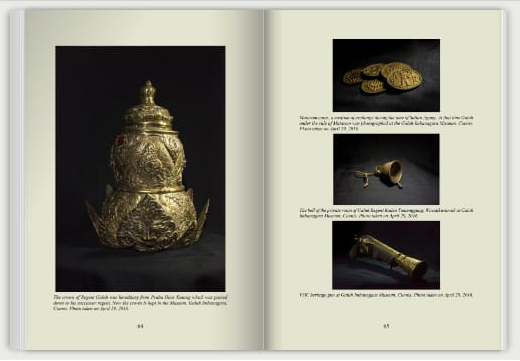
When the Priangan and Galuh territories were officially handed over to the VOC, the Regent of Imbanagara at that time was RA Angganaya in 1678-1693. Then in 1805, the three regencies in East Priangan were merged after an incident occurred. The Imbanagara, Galuh and Utama regions were merged into Galuh Regency.
The change of name from Galuh to Ciamis began with the reign of Galuh Regent Wiradikusuma. In 1815, the capital of Galuh Regency was moved from Imbanagara to Ciamis (Cibatu).
Then after the government of Raden Adipati Kusumasubrata (Wiradikusuma’s successor), the Dutch East Indies Government no longer handed over the position of regent to his descendants.
In accordance with the interests of the colonial government, one of the factors was because many of the descendants of regents were considered to have begun to oppose the Dutch East Indies Government.